
Strategy and technical ability may get someone into a leadership role, but it doesn’t guarantee success once they are there.
Increasingly, leaders are expected to balance execution with empathy and to carry people with them as they roll out wave after wave of change initiatives. Yet too often, organizations wait to see whether new leaders ‘sink or swim’ before offering meaningful development – a risky approach.
At the same time, employee engagement is falling, burnout is rising and many feel unheard or misunderstood at work. The question is not whether to invest in leadership development, but how early we should begin...

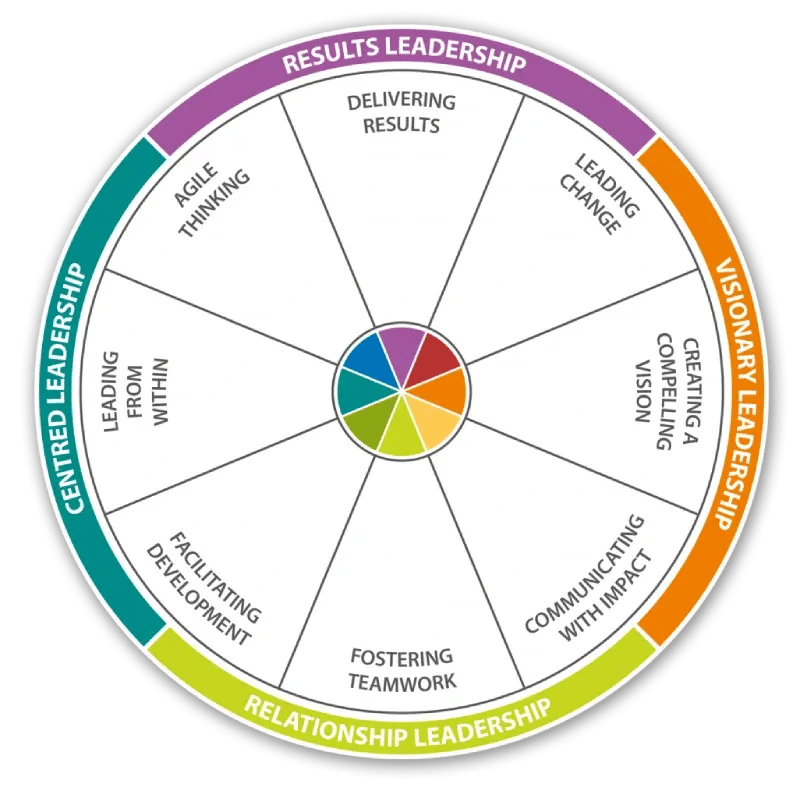
The eight dimensions of balanced leadership
When supporting new leaders, awareness training is the gold standard; the foundation for effective leadership, and interpersonal awareness programs should start as soon as possible. While this article focuses on new leaders, it’s true for managers at all levels - including seasoned executives facing new workplace challenges.
The smartest organizations give people the tools they need to succeed from day one.
And yet, according to several recent studies, many businesses simply aren’t doing this. And where investment in leadership development has stalled in favour of business priorities like AI integration or sustainability, companies are paying the price. Disengagement, conflict, and attrition are significantly higher, ultimately impacting the bottom line.
We shouldn’t wait to develop our leaders.
As leadership author Jacob Morgan points out, too often organizations follow a model where you must be exceptional to ‘earn’ leadership training. You must prove yourself to the company, make an impact, or have been there a long time to get access to this privilege.
Training the new generation to be well-rounded leaders: Recommendations
Alongside technical expertise, today’s leaders need to understand themselves and others while effectively balancing different leadership styles. They need the ability to communicate, collaborate and connect with diverse personalities, while building and maintaining strong relationships.
Greater self- and other- awareness helps leaders motivate and engage their teams more effectively.
Effective leaders learn to adapt their approach 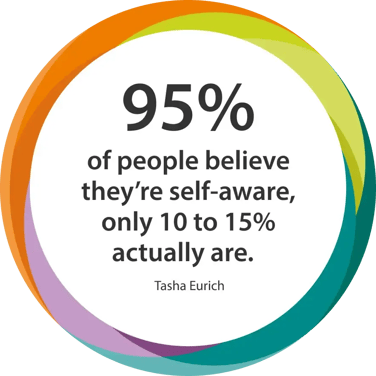 depending on what the team or the organization needs at any given time. For example, leading through rapid change requires something different than guiding a team on a careful, analytical project. Being able to adjust their style in critical moments to the people in front of them makes all the difference in a leader's ability to create clarity and direction.
Even those naturally agile leaders benefit from self-awareness training. After all, understanding our own strengths and blind spots is the foundation for balancing different leadership styles effectively, and as Tasha Eurich famously points out: while 95% of people believe they’re self-aware, only 10 to 15% actually are.
Developing an effective leadership toolkit

Self-awareness
Recognize own strengths & the impact of their behavior on others

Other-awareness
Build stronger relationships by understanding & valuing different perspectives

Agility
Adapt quickly to changing circumstances & guide teams through transitions

Active listening
Build trust, improve decision-making & ensure people are heard and understood

Empathy
Foster psychological safety, resilience & better connections within teams
.webp?width=47&height=54&name=icon6%20(1).webp)
Communication
Clarify vision, reduce misunderstandings & inspire aligned action across the team

Motivate & Inspire
Boost engagement, drive performance & create commitment to shared goals

Growth mindset
Encourage continuous learning & the development of new skills in self and others
The best time to start leadership development is now, not ten years from now Delaying leadership development is nothing new (nor are the problems this approach causes). In a column for the Harvard Business Review Blog Network over ten years ago, author and behavioral scientist Jack Zenger had already suggested that we wait too long to train leaders. Citing research from his consulting agency, he revealed that in their database of 17,000 worldwide leaders, the average age for first-time leadership training was 42, while the average age of supervisors in those firms was 33!
Pause, and consider the leaders you work with. Consider where they are on their leadership journey and ask yourself, how much of this valuable learning and development can we afford to delay?